
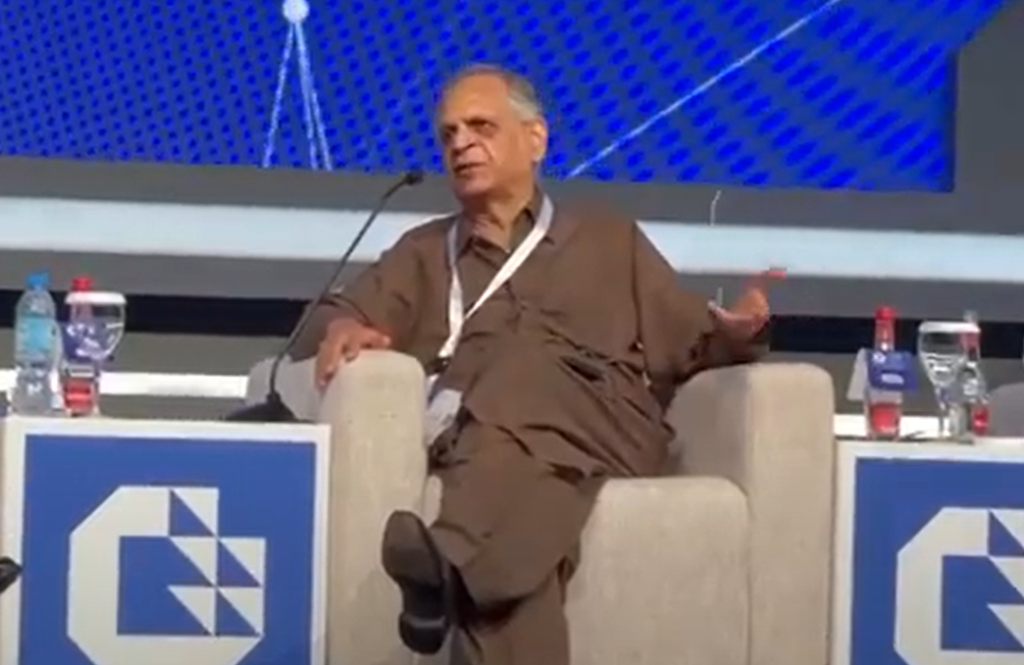
Pakistan GasPort Chairman Iqbal Z. Ahmed has reiterated that Pakistan’s floating LNG storage units will soon run dry, even as both terminals reduce operations to one-sixth of normal levels amidst an ongoing supply disruption caused by the Middle East conflict.
The ongoing Iran war, and Tehran’s restrictions on the Strait of Hormuz shipping lane, has disrupted fuel supplies globally. QatarEnergy, which supplies a bulk of Pakistan’s LNG, declared force majeure last week, halting natural gas production on contracts with buyers are strikes targeted its LNG facilities. Doha’s Energy Minister, Saad Al-Kaabi, warned last week that 17% of Qatar’s LNG capacity will continue to be out of service for between three and five years because of attacks on its Ras Laffan LNG plant.
Speaking with the Financial Times, Ahmed said dwindling supplies meant both LNG terminals would stop dispatching gas completely by the end of March. “After that we’ll run dry,” he said. “We do not know when the next cargo will come in,” he added, emphasizing LNG cargoes were responsible for 30% of the country’s total energy needs.
The report notes that post-war attempts by Pakistan to secure cargoes from Italy’s ENI have proven unsuccessful. Islamabad had earlier asked ENI to redirect 11 cargoes. Additionally, it states, Pakistan LNG–responsible for procuring all LNG that reaches Pakistan—had attempted to secure supplies from elsewhere but balked at prices that are presently too high for Pakistan to accept.
In its report, FT has warned that countries reliant on LNG imports to power their economies will have to pay sky-high prices for reduced supplies from the U.S. and elsewhere, switch to other fuels or force households and businesses to use less. It has specifically warned that Pakistan, which imports nearly 99% of its LNG from Qatar, received its last cargoes from Ras Laffan on the second and third days of the Iran war.
The unfolding situation, reports FT, is pushing Pakistan to opt for more expensive and dirtier furnace oil as much as possible to generate power if the conflict continues. Despite this, warns Ahmed, difficulties will persist for some time. “I see us having one very difficult year followed by two or three difficult years to follow,” he told FT. “This is an important period for Pakistan,” he said.
During the conversation, the PGPC chairman stressed on the need to open up LNG imports in Pakistan to the private sector, maintaining they might be able to secure better deals than can be achieved by the government. He noted the government could even import from Russia, provided it secured waivers against sanctions imposed by the U.S.
Ahmed also regretted that authorities appeared to be acting purely reactively and were not paying due attention to planning for the worst-case scenario. Rather than passing all decisions through multiple committees, he advised, empowered decision-making is required with input from relevant stakeholders.